Post-Unlink Reality: How Filipino Players Access Jili Slots After E-Wallet Restrictions
ByCHWV
August 25, 2026Vol. 2026
One year after the BSP directive, Filipino players are navigating new ways to access Jili slots, pri...
Executive Summary
One year after the BSP directive, Filipino players are navigating new ways to access Jili slots, primarily through direct site access and facing increased risks from unregulated platforms.
One year has passed since the Bangko Sentral ng Pilipinas (BSP) issued its August 2025 directive, mandating e-wallets and BSP-supervised institutions to delink from online gambling sites. This measure significantly altered how Filipino players engage with popular games like Jili slots, shifting access methods and raising new concerns about player safety.
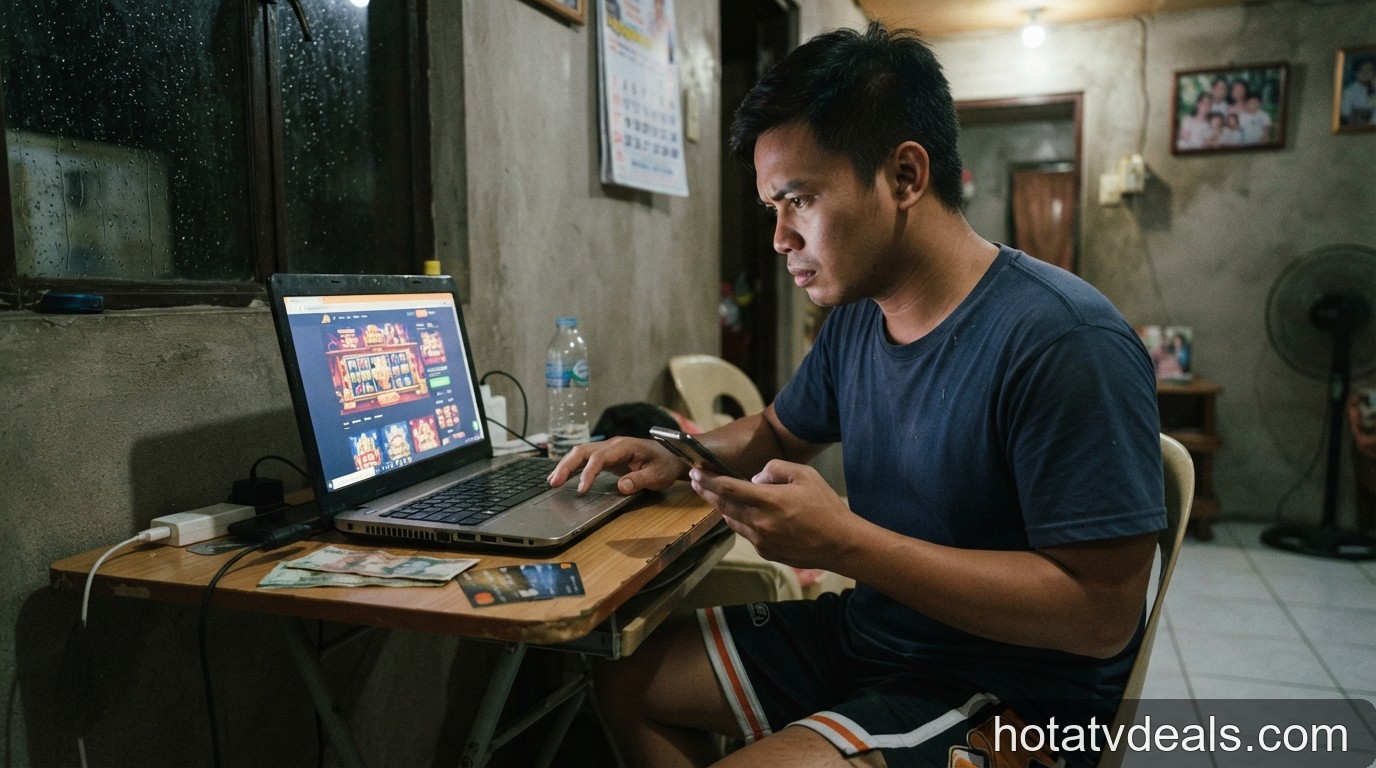
While major e-wallet providers like GCash and Maya complied, suspending in-app gaming access, players have adapted by directly accessing gambling sites, leading to a notable increase in unregulated platform usage.
Key Takeaways for Filipino Jili Slot Players
- Direct Site Access is Now Standard: Players must navigate directly to online casino platforms to deposit and withdraw funds, bypassing former in-app e-wallet links.
- GCash and Maya Still Usable: Despite the delinking, GCash and Maya remain viable payment methods for deposits and withdrawals, provided transactions are initiated directly on the gambling site.
- Increased Risk from Unregulated Platforms: PAGCOR observed a rise in illegal gaming platform usage post-directive, posing risks like scams and lack of consumer protection.
- Upcoming Regulatory Changes: The BSP is finalizing policies that may include dedicated "online gambling transaction accounts" (OGTAs) with daily limits and enhanced KYC.
- Responsible Gambling Remains Crucial: Players are urged to exercise caution, verify platform legitimacy, and utilize responsible gambling tools.
The BSP Directive and Its Immediate Impact
On August 14, 2025, the BSP issued a directive requiring e-wallets and other supervised financial institutions to remove in-app links to online gambling sites within 48 hours. This swift action, prompted by concerns over rising online gambling transactions and their societal impact, led to major e-wallet providers like GCash and Maya suspending in-app gaming features by August 16, 2025. The immediate effect was a significant disruption to the established payment ecosystem for online gambling in the Philippines.
Following the directive, the Philippine Amusement and Gaming Corporation (PAGCOR) reported a substantial 50% drop in online gaming transactions. This decline indicated the immediate effectiveness of the BSP's move in curbing easily accessible gambling through integrated e-wallet services.
However, this regulatory shift also had an unintended consequence: PAGCOR noted an increase in the use of illegal gaming platforms, suggesting that a portion of the player base migrated to less regulated environments to continue playing.
Navigating Payments: GCash and Maya Post-Unlink
Despite the removal of in-app links, GCash and Maya continue to be accepted payment methods for many online casinos offering Jili slots. The key difference lies in the transaction flow. Filipino players can no longer initiate deposits directly from within their e-wallet app to a gambling site via a linked feature.
Instead, they must first navigate to their chosen online casino's website or app, select GCash or Maya as a payment option, and then proceed with the transaction, which typically involves scanning a QR code or entering their e-wallet details on a secure payment gateway.
For withdrawals, the process is similarly direct. Players initiate a withdrawal request on the casino platform, selecting GCash or Maya. The funds are then transferred directly to their e-wallet account. This direct-site access model, while requiring an extra step compared to the previous in-app convenience, ensures that players can still utilize their preferred local payment rails like GCash, BPI, BDO, and Metrobank for Jili slots, provided the platform supports these methods.
The Surge in Unregulated Platforms and Player Safety
The observed increase in unregulated platform usage following the BSP directive presents significant risks for Filipino players. These platforms often operate without proper licensing or oversight, meaning they may not adhere to fair play standards, secure data practices, or responsible gambling protocols. Players engaging with such sites face heightened risks of scams, non-payouts, and a complete lack of consumer protection.
Identifying legitimate Jili slot platforms is crucial. Players should look for sites that are licensed by PAGCOR or other reputable international gaming authorities. Legitimate platforms typically display their licensing information prominently and offer robust customer support. Furthermore, they implement strong Know Your Customer (KYC) procedures, including age verification (21+ in the Philippines), and provide tools for responsible gambling, such as self-exclusion options and deposit limits.
The CICC's report of a 93% drop in illegal online gambling from Q2 to Q3 2025 suggests that combined efforts are making an impact, but vigilance remains essential for players.
Future Regulatory Landscape: OGTAs and Enhanced KYC
The BSP is in the process of finalizing a comprehensive policy on online gambling payment services, with draft circulars outlining stricter controls. These proposed regulations include the introduction of dedicated "online gambling transaction accounts" (OGTAs). These accounts would have daily funding limits, capped at 20% of a user's average daily balance, and a six-hour daily transaction window.
Exceeding volume thresholds would trigger a mandatory 24-hour cooling-off period, designed to promote responsible gambling habits.
Furthermore, the new rules mandate enhanced KYC measures, including facial biometric verification for account opening and requiring payment service providers (PSPs) to enforce user biometric identity checks. Players will also be empowered to set personal time and spending limits. These forthcoming regulations aim to create a safer and more controlled environment for online gambling, mitigating the risks associated with excessive play and ensuring greater accountability from both players and operators.
While these measures are still being finalized, they signal a clear direction towards a more structured and regulated online gambling ecosystem in the Philippines.
Adapting to the New Normal for Jili Slots
The post-unlink reality for Filipino Jili slot players is one of adaptation. While the convenience of in-app e-wallet access is gone, the ability to play Jili slots and manage funds via GCash and Maya remains, albeit through direct site navigation. This shift underscores the importance of player awareness regarding legitimate platforms and responsible gambling practices.
As the BSP finalizes its comprehensive policy, the landscape will continue to evolve, with a clear emphasis on player safety and financial prudence. Players must remain informed about regulatory changes and prioritize licensed platforms to ensure a secure and enjoyable gaming experience.
参考资料
End of Dispatch • August 25, 2026
Global Supply Chain Coverage
We supply high-quality products to major markets worldwide. Explore our regional distribution and compliance standards.