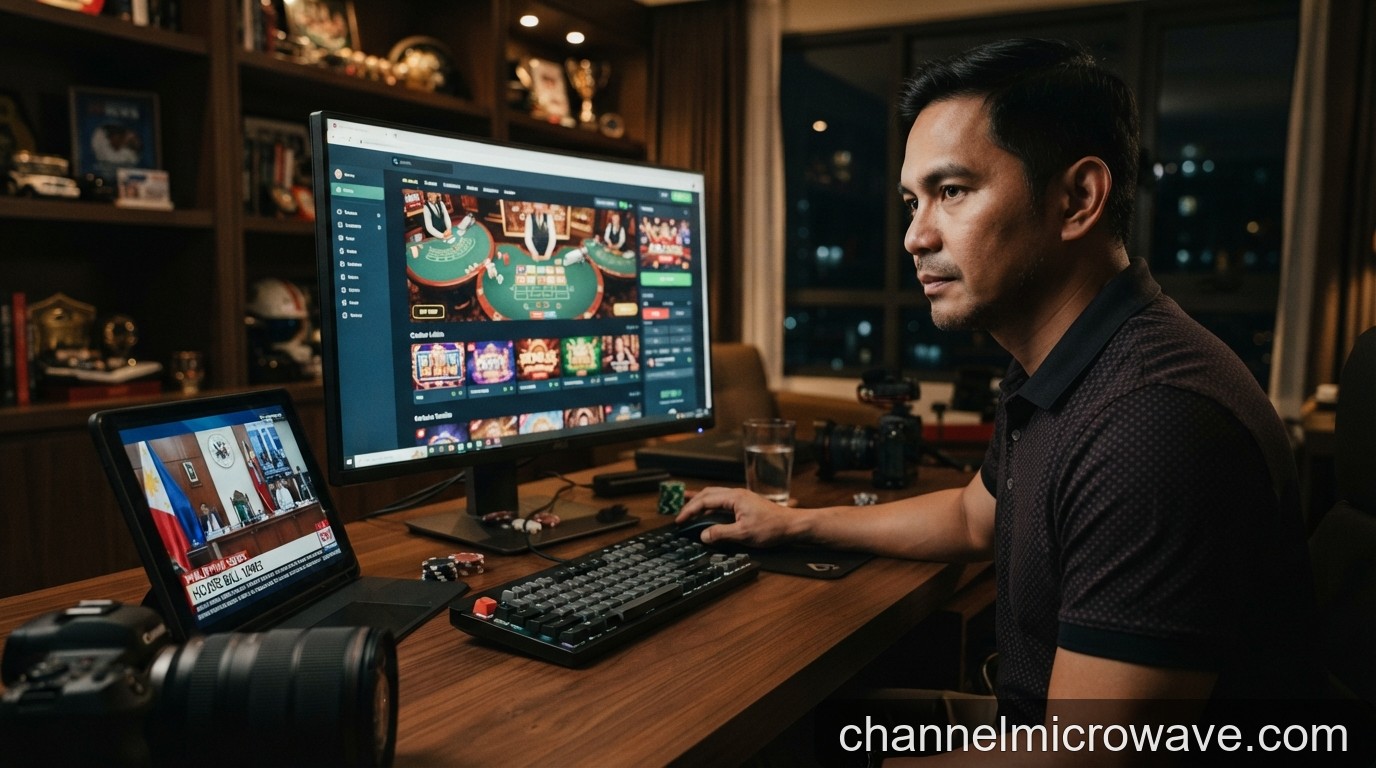
House Bill No. 10982, filed on August 26, 2026, by Cebu 3rd District Representative Karen Hope Garcia, seeks to prohibit all forms of online gambling advertising across the Philippines. While the bill does not make regulated gambling illegal, it specifically targets bonuses and promotional codes, which could significantly reshape the landscape for high-stakes players reliant on such incentives.

Key Takeaways for Filipino High-Rollers
- The bill aims to ban all online gambling advertisements, including bonuses, free bets, and referral codes.
- Regulated online gambling and authorized land-based casinos remain legal and unaffected by the proposed ban.
- Penalties for violations are substantial, ranging from P500,000 to P10 million, with potential imprisonment.
- PAGCOR has historically favored stricter regulation over a complete ban on advertising.
- The bill is currently under review by the Committee on Games and Amusements and has not yet become law.
Understanding the Scope of House Bill 10982
House Bill 10982, officially known as the "Online Gambling Advertising Prohibition Act of 2026," proposes a comprehensive ban on online gambling advertisements. This includes traditional media like television, radio, and print, as well as digital platforms such as social media, websites, mobile applications, search engines, and targeted advertising. The bill also extends to email and SMS marketing, influencer endorsements, and sponsorships of events by online gambling brands.
Crucially for high-stakes players, it explicitly targets the prohibition of bonuses, free bets, and referral codes intended to attract new players.
However, it is important to note that the proposed ban does not criminalize regulated gambling itself. Authorized casinos, Philippine Charity Sweepstakes Office (PCSO) lotteries, horse racing, and licensed cockfighting would continue to operate legally. Their advertising would remain subject to existing responsible gaming advisories and content standards. Exemptions also include news reports, academic discussions, and government communications related to gambling.
Impact on VIP Player Bonuses and Promotions
For high-stakes players, the most direct and significant impact of House Bill 10982 lies in its explicit prohibition of bonuses, free bets, and referral codes. These incentives are often a cornerstone of VIP bankroll management and strategy, allowing players to maximize their value and extend playtime. Should the bill pass in its current form, the public availability and promotion of such offers would be severely curtailed, if not eliminated.
This shift would necessitate a change in how VIP players discover and access high-limit opportunities. While licensed gameplay itself remains legal, the channels for communicating exclusive promotions or new high-roller games would be drastically reduced. This could potentially make it more challenging for discerning players to identify and engage with legitimate, PAGCOR-licensed platforms offering premium experiences, potentially driving some towards less regulated, offshore alternatives.
Legislative Status and PAGCOR's Position
House Bill 10982 was read in the House of Representatives on September 1, 2026, and has since been referred to the Committee on Games and Amusements for review. It is essential for players to understand that the bill is not yet law and must undergo further legislative processes, including committee hearings, debates, and votes, before it can be enacted. The legislative landscape surrounding gambling in the Philippines is dynamic, with ongoing discussions and proposals for stricter controls.
The Philippine Amusement and Gaming Corporation (PAGCOR), the primary regulator of the gaming industry, has historically expressed a preference for tighter regulation of online gambling advertising rather than an outright ban. In July 2025, PAGCOR took steps to remove gambling-related billboards and out-of-home advertisements and mandated regulated businesses to promote the 24/7 National Problem Gambling Helpline.
PAGCOR is also in the process of finalizing implementing rules with the Ads Standards Council to govern gambling promotions across various digital platforms, including social media.
Potential Enforcement Challenges and Black Market Concerns
The broad scope of House Bill 10982, encompassing social media, influencers, and targeted digital advertising, presents considerable enforcement challenges. Monitoring and regulating such a vast and rapidly evolving digital landscape, especially concerning offshore operators, could prove difficult. The bill proposes significant penalties for violators, including fines up to P10 million, license suspension, imprisonment, and daily fines for non-compliant platforms and service providers.
A key concern raised by industry observers is that a blanket ban on advertising could inadvertently push players towards unregulated and illegal online gambling platforms. These platforms often operate without proper licensing, offer no player protection, and lack responsible gambling measures. High-stakes players, seeking the bonuses and promotions that would be banned by the bill, might be more susceptible to the allure of such unregulated sites, increasing their risk exposure.
What This Means for High-Stakes Filipino Players
For high-stakes Filipino casino players, House Bill 10982 represents a significant potential shift in the operational environment of online gambling. While the legality of playing at PAGCOR-licensed sites remains untouched, the proposed ban on advertising, particularly bonuses and promotional codes, directly impacts the strategic elements of high-roller gameplay.
Players may need to adapt their approach to discovering new high-limit games and exclusive offers, potentially relying more on direct communication from trusted, licensed operators rather than public advertisements.
It is crucial for high-stakes players to stay informed about the bill's progress and any subsequent regulatory changes. Maintaining engagement with PAGCOR-aligned platforms and understanding their direct communication channels will become increasingly important for accessing VIP benefits and ensuring continued responsible gambling compliance.
This legislative development underscores the evolving nature of the Philippine online gambling sector and the need for players to prioritize engagement with fully regulated and compliant operators.