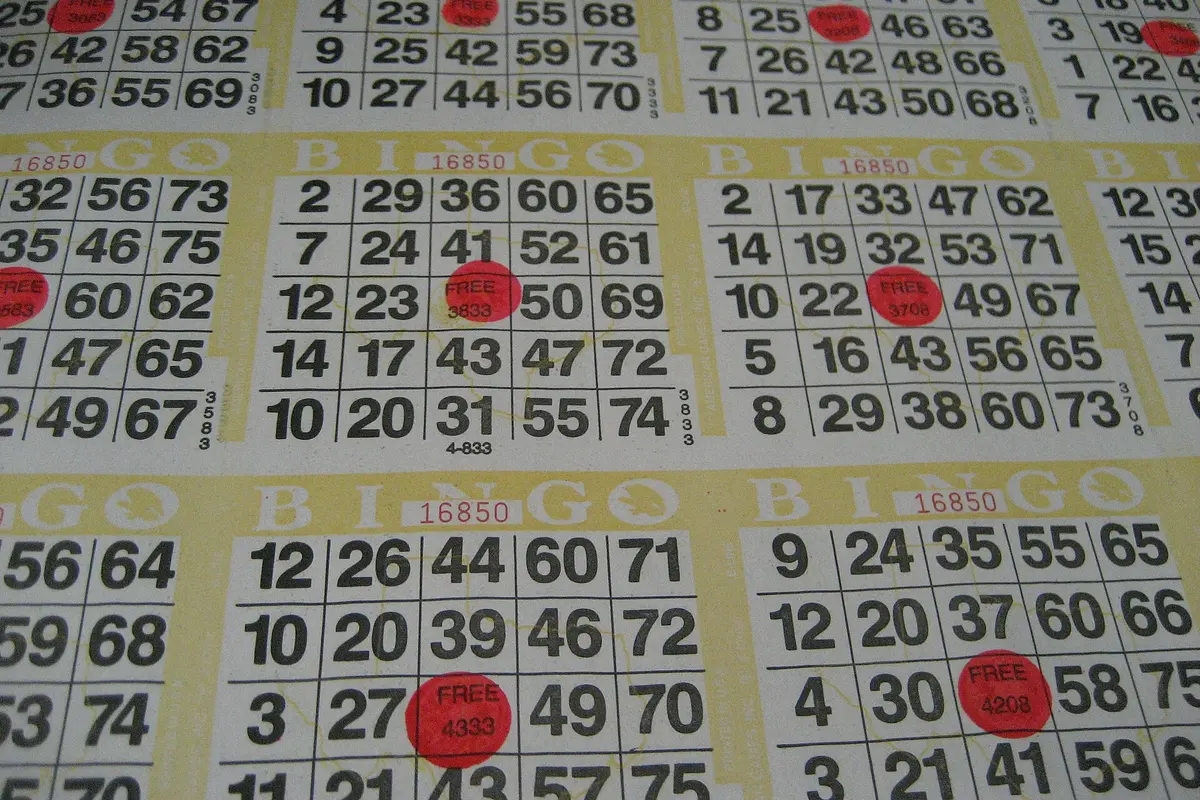
On our desk this week of 2026-04-28, the Bingo pointer drifted toward the Jili VIP 75-Ball hall while the Slots pointer barely moved. CHWV Editorial walked the room across five weeknight sessions to map the floor for Pinoy players who keep both pointers open.
This Week on Our Desk
The VIP 75-Ball hall holds a ₱100 card floor and a ₱5,000 ceiling on the high-limit side. Sessions cycle every 8 minutes — tighter than the 10-minute base configuration. Player counts at observed weeknights ranged 150 to 250 per session. Friday cards roll into a ₱500,000 progressive pool that settles across multiple winners. None of this is a session promise — pool sizes can change without notice.
Bingo Side: What Moved
The 8-minute cadence is the headline reason the pointer moved. Our desk timed it across five weeknights — the tighter rhythm cuts dead time between cards by roughly 20% versus the base. Tagalog-voice callers run the Manila-evening shifts; chat leans Tagalog with English cut-ins.
Slots Side: What Moved
The Slots pointer barely moved. The hall keeps a side menu open for between-card spins; Jili low-volatility titles dominate the routing. The single shift our desk noted — slot uptake during the Friday progressive build sat lower than usual, as players consolidated bingo cards.
Trade-off Table
| Field | VIP 75-Ball | Base 75-Ball |
|---|---|---|
| Card floor | ₱100 | ₱20 |
| Cadence | 8 min | 10 min |
| Players / session | 150–250 | 80–140 |
| Friday pool | ₱500,000 | Smaller progressive |
Our Desk's Pick (and the Honest Caveat)
On balance, our desk leans toward the VIP hall for players already comfortable with a ₱100 card floor — with one honest caveat: the tighter cadence shortens reaction windows for new entrants, and the ₱500k pool draws sharper competition. None of this is a guarantee. New entrants should read the base 75-Ball room first.
& Responsible Gaming Reminder
CHWV Editorial content is for Pinoy players on PAGCOR-licensed operators. Bingo and slot outcomes are not predictable. Contact GameCare PH at 1800-1888-1800.
How to Read the VIP Position Card
Position bands here read in pesos because Pinoy bankrolls are denominated in pesos — converting in your head to USD adds friction the dealer cadence does not give back. Each band corresponds to a published seat tier; tier walls are gates, not soft suggestions.
Prize-pool splits publish before the qualifier window opens. That means take-home math for every finishing position is knowable up front. Build your session expectation around the finish you can realistically hold, not the headline pool number — the headline pool only pays the top tier, and the top tier is rarely accessible to first-week entrants.
VIP host coverage matters during the qualifier window because dispute resolution latency is the difference between a counted hand and a void. Hosts that publish a Manila evening shift schedule are operationally serious about the qualifier window; hosts that only run office hours are not.
What Works · What Doesn't
Pros
- Card-level accrual is fully transparent — every stake adds to the rolling pot at a published rate.
- Cadence sits inside the 8–12 second draw band, keeping session pace predictable for VIP qualifier work.
- Tagalog-caller halls keep the social layer intact for Pinoy rooms without slowing the call interval.
Cons
- Progressive seed resets after every Friday/Sunday pop — early-week play sees a slimmer headline number.
- Single-card jackpot odds remain genuinely long; bankroll discipline stays mandatory.
- Cross-hall pooled pots concentrate competition during peak hours — qualifier seats fill within minutes.
FAQ
How does the progressive pot accrue?
Each card sold on the participating hall contributes a published percentage of stake to the rolling pot. The accrual rate is set by the operator and disclosed in the hall rules.
What happens to the pot if no one hits the jackpot?
The pot rolls forward to the next session. Some halls run a guaranteed-by date; others let the pot grow indefinitely until a winning card prints.
Does buying more cards meaningfully raise jackpot odds?
It scales linearly — twice the cards = twice the chances. But the underlying single-card odds are very long, so card-stacking is a bankroll question, not an edge question.
Related Reads
CHWV bench cards out only after the spin window closes. Pick the operator that matches the math, not the marketing.